
Today's business is highly competitive, so companies need more than just a great product or service to thrive. The backbone of any successful organization lies in its human resources, and this is where HRMS software solutions play a crucial role in helping companies improve performance management, talent management, payroll, and people analytics.
A Human Resources Management System (HRMS) is a suite of systems and applications designed to manage all aspects of human resources within a company. The software provides integrated tools to streamline administrative processes, saving time and improving efficiency.
A Human Resources Management System (HRMS) is a system designed to organize and manage employee-related data, from recruitment to termination. This system enables managers to track performance, manage leave, and provide accurate reports.
Companies today need an HRMS to automate processes and facilitate communication between departments. The system helps reduce errors and increase efficiency, leading to an improved employee experience.
HRMS software includes a range of key features, such as:
Employee Data Management
Attendance Tracking
Vacation Management
Reporting and Analytics
HRMS helps companies adapt to rapid changes in the business environment and enhances competitiveness by improving human resource management.
The Emergence of Human Resource Management Software
Technological advancements have led to the emergence of new systems, such as cloud-based HR systems, which offer greater flexibility and allow access to data from anywhere.
Strategic Workforce Planning:
HRMS systems enable organizations to develop comprehensive workforce strategies. By aligning HR with business objectives, HR professionals can identify skill gaps, develop training programs, and optimize staffing levels to improve productivity.
Talent Acquisition and Retention:
One of the primary responsibilities of HR is attracting and retaining top talent. HR systems streamline recruitment processes, from creating job listings to tracking and onboarding applicants. With effective HR policies in place, companies can ensure they are hiring the right people for the right jobs, reducing employee turnover and increasing employee satisfaction.
Employee Development and Engagement:
HR systems facilitate employee development programs, performance appraisals, and ongoing employee feedback. By nurturing the skills of their workforce and providing growth opportunities, organizations can enhance employee engagement, job satisfaction, and loyalty, ultimately leading to a more productive and motivated workforce.
Compliance and Risk Management:
HR plays a vital role in ensuring organizations adhere to labor laws, regulations, and industry standards. HR systems help streamline compliance and compliance processes, such as tracking employee records, managing leave, and automating payroll. This mitigates legal risks and creates a fair and transparent workplace.
The Dawmat intelligent human resources management system has revolutionized the way organizations manage their human resources operations, providing a comprehensive platform that delivers numerous benefits and addresses key aspects of human resource management.
In short, a human resource management system is a key component of any organization's success. By understanding its components and importance, companies can maximize the benefits of their human resources.

Dawmt participated in the 63rd Damascus International Fair within the Syriatel pavilion, bringing digital HR solutions closer to businesses and creating direct conversations around attendance, leave, scheduling, reporting, and HR digital transformation.
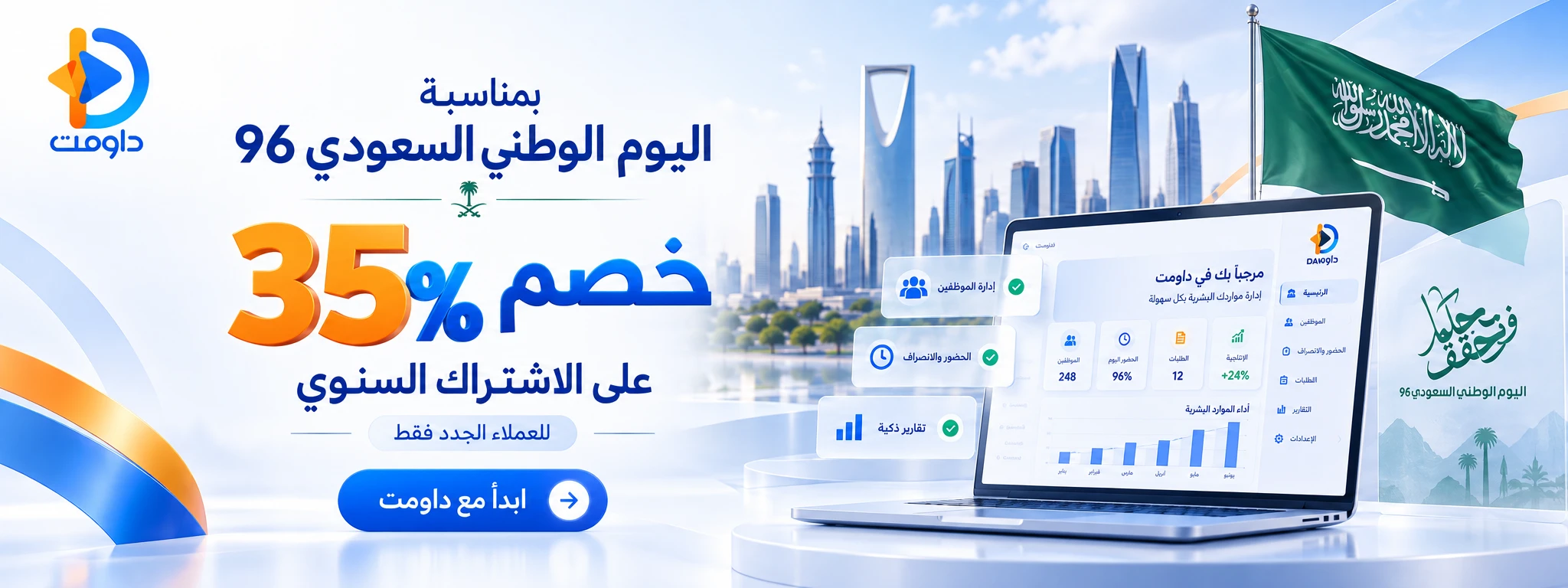
Celebrate Saudi National Day 96 by exploring how digital HR management can improve everyday operations, with 35% off Dawmt annual subscriptions for new customers for a limited time.

A practical guide to annual leave planning that balances employee time off with operational needs, helping HR teams anticipate staffing gaps and organize coverage before peak periods.

Learn about the causes of accumulated leave balances and how effective leave management can improve workforce planning and reduce operational challenges.

Learn about the key challenges of external workforce management and how accurate data helps monitor attendance, locations, payments, and contractor performance while improving operational efficiency.

This article explores recurring overtime, its impact on workforce management, its common causes, and how Dawmt helps manage overtime requests, working hours, and employee overtime payments.
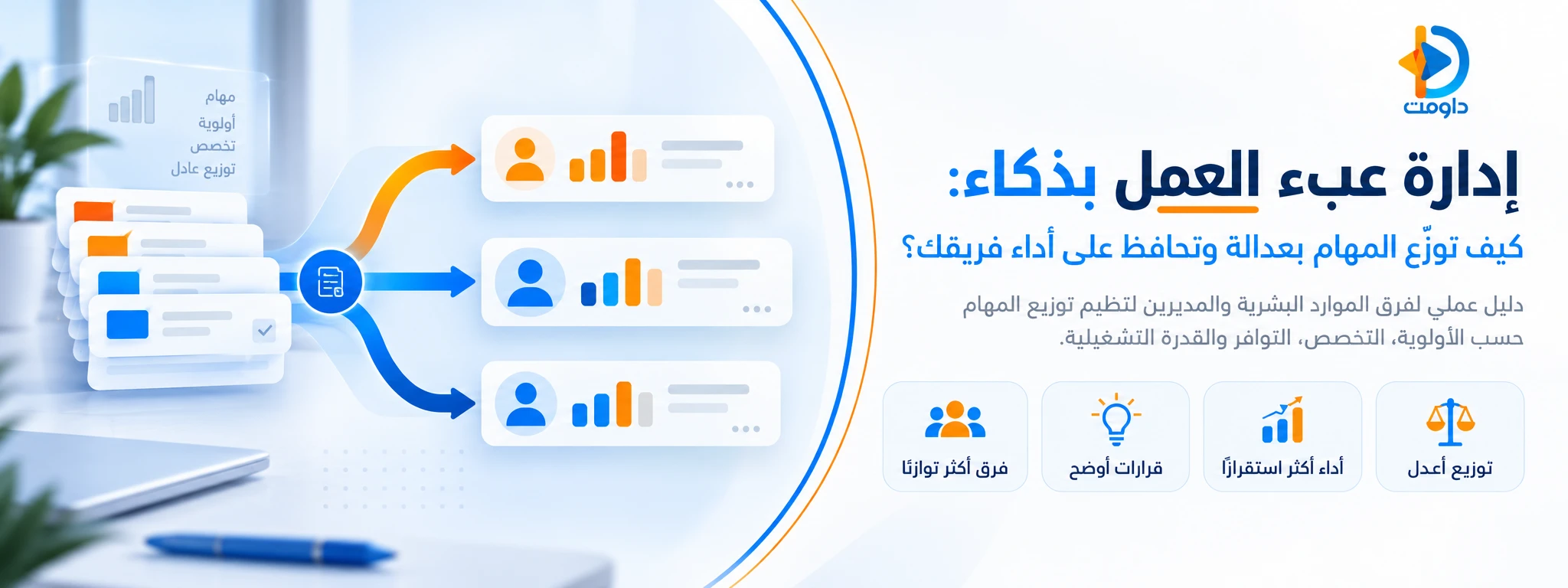
A practical guide to managing workload and allocating tasks based on priorities, skills, and actual availability, with operational signals that help HR teams identify imbalance and rebalance work more effectively.

A practical guide to managing workplace stress, identifying chronic pressure factors, reviewing operational patterns, and applying evidence-based actions that help HR teams and managers improve working conditions.

A practical guide to employee burnout, its causes and warning signs, and how HR teams can identify workplace risk patterns early without turning employee data into a medical diagnosis.


















The best way to control attendance and departure in modern companies

Skills required for human resources management

Annual employee performance evaluation









Human resources function in companies

Duties of the human resources manager in companies

























Effective employee onboarding is a crucial investment that sets the stage for an employee's success. By designing a comprehensive onboarding program, facilitating clear communication, personalizing the experience, and providing ongoing support, organizati

The Middle East is a diverse region comprising multiple countries, each with its own HR regulations and labor laws. For organizations operating in the Middle East, it is essential to understand and comply with the specific HR regulations of each country.

The Middle East is a diverse region comprising multiple countries, each with its own HR regulations and labor laws. For organizations operating in the Middle East, it is essential to understand and comply with the specific HR regulations of each country.

Performance management plays a pivotal role in driving employee success, engagement, and overall organizational growth. By implementing effective performance management strategies, HR professionals can align individual goals with organizational objectives


The digital age has transformed the HR landscape, presenting new opportunities and challenges for HR professionals. Embracing technological innovations can revolutionize HR processes, enhance efficiency, and enable data-driven decision-making.