
The Middle East is a diverse region with unique HR regulations and labor laws for each country. For organizations operating in this area, understanding and complying with these specific regulations is crucial for success.
Compliance with HR regulations in the Middle East not only ensures legal adherence but also fosters a positive work environment and enhances employee satisfaction.
Following HR regulations establishes clear expectations between employers and employees, fostering trust and transparency in the workplace.
Most Middle Eastern countries mandate written employment contracts that clearly outline the terms and conditions of employment.
These contracts typically include job responsibilities, working hours, compensation, and benefits. Adhering to these requirements is essential for clarity and accountability.
In several Middle Eastern nations, a sponsorship system is in place that requires employees to have sponsorship from their employers for residency and work permits.
Employers must be aware of their obligations in this system, such as providing accommodation and ensuring timely visa renewals for their sponsored employees.
Each Middle Eastern country has specific regulations regarding working hours, rest periods, and annual leave entitlements.
Employers must comply with these regulations to provide adequate rest for employees and maintain a healthy work-life balance, while also respecting local religious holidays and cultural observances.
Many Middle Eastern countries promote nationalization initiatives aimed at increasing the employment of local nationals.
Organizations should actively participate in these initiatives to contribute to local economic growth and reduce unemployment rates among citizens.
End-of-service benefits are a common requirement in the Middle East, ensuring employees receive compensation for their years of service upon termination or retirement.
Employers must be familiar with the calculation methods and regulatory requirements governing these benefits to ensure compliance.
Navigating HR regulations in the Middle East becomes seamless with Dawmt Solutions. Its comprehensive understanding of each country's labor laws enables organizations to comply with employment contracts, sponsorship systems, working hours, nationalization initiatives, and end-of-service benefits.
By utilizing Dawmt, businesses operating in the Middle East can establish a harmonious and legally compliant work environment while staying updated with evolving HR regulations.

Dawmt participated in the 63rd Damascus International Fair within the Syriatel pavilion, bringing digital HR solutions closer to businesses and creating direct conversations around attendance, leave, scheduling, reporting, and HR digital transformation.
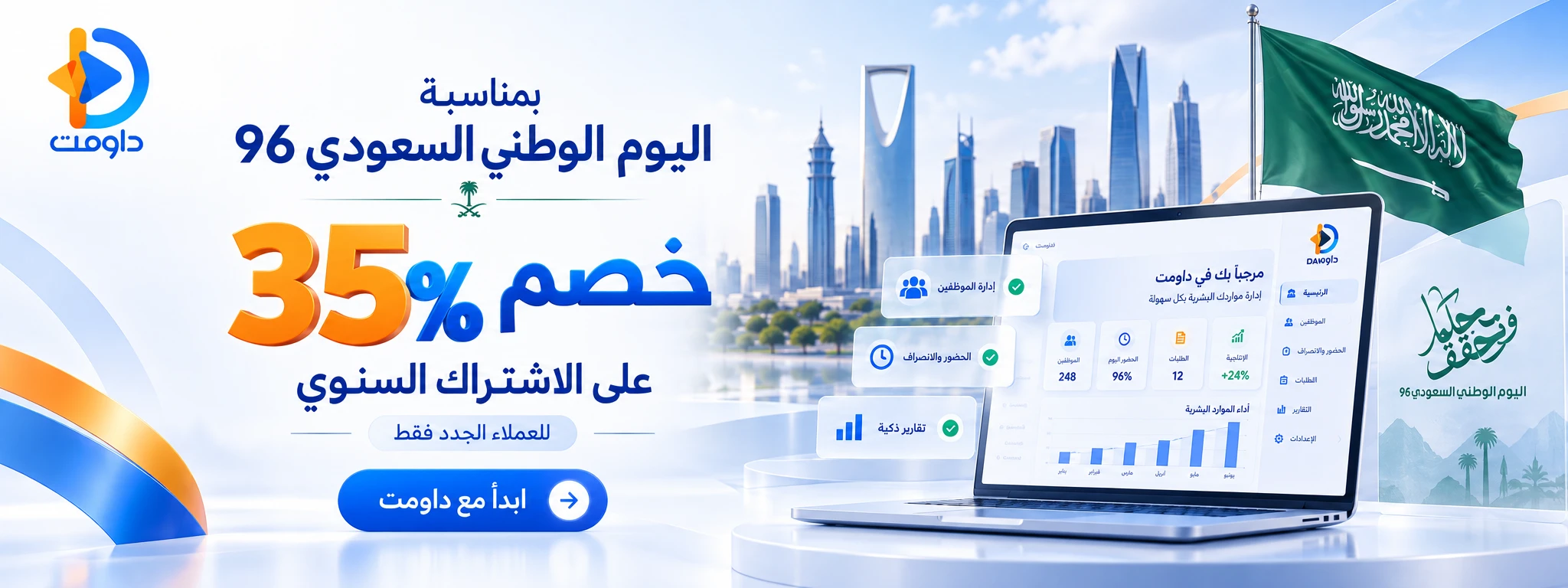
Celebrate Saudi National Day 96 by exploring how digital HR management can improve everyday operations, with 35% off Dawmt annual subscriptions for new customers for a limited time.

A practical guide to annual leave planning that balances employee time off with operational needs, helping HR teams anticipate staffing gaps and organize coverage before peak periods.

Learn about the causes of accumulated leave balances and how effective leave management can improve workforce planning and reduce operational challenges.

Learn about the key challenges of external workforce management and how accurate data helps monitor attendance, locations, payments, and contractor performance while improving operational efficiency.

This article explores recurring overtime, its impact on workforce management, its common causes, and how Dawmt helps manage overtime requests, working hours, and employee overtime payments.
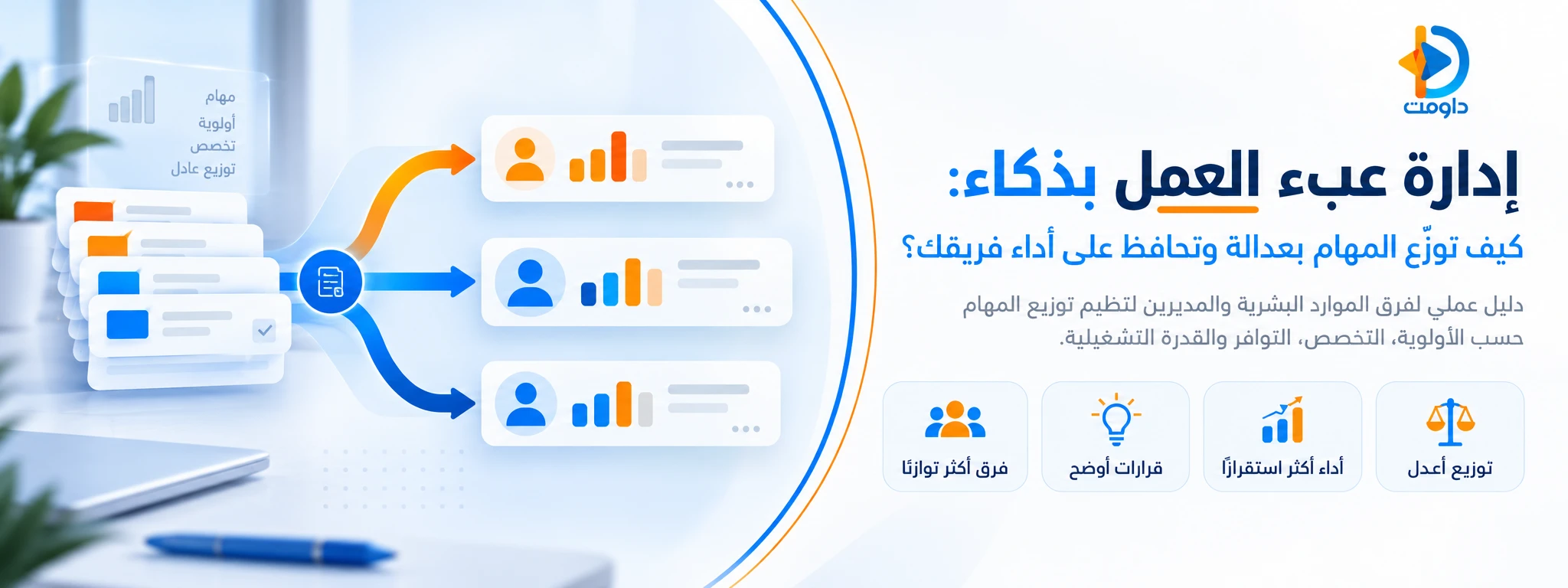
A practical guide to managing workload and allocating tasks based on priorities, skills, and actual availability, with operational signals that help HR teams identify imbalance and rebalance work more effectively.

A practical guide to managing workplace stress, identifying chronic pressure factors, reviewing operational patterns, and applying evidence-based actions that help HR teams and managers improve working conditions.

A practical guide to employee burnout, its causes and warning signs, and how HR teams can identify workplace risk patterns early without turning employee data into a medical diagnosis.


















The best way to control attendance and departure in modern companies

Skills required for human resources management

Annual employee performance evaluation









Human resources function in companies

Duties of the human resources manager in companies























Effective employee onboarding is a crucial investment that sets the stage for an employee's success. By designing a comprehensive onboarding program, facilitating clear communication, personalizing the experience, and providing ongoing support, organizati

The Middle East is a diverse region comprising multiple countries, each with its own HR regulations and labor laws. For organizations operating in the Middle East, it is essential to understand and comply with the specific HR regulations of each country.

Performance management plays a pivotal role in driving employee success, engagement, and overall organizational growth. By implementing effective performance management strategies, HR professionals can align individual goals with organizational objectives


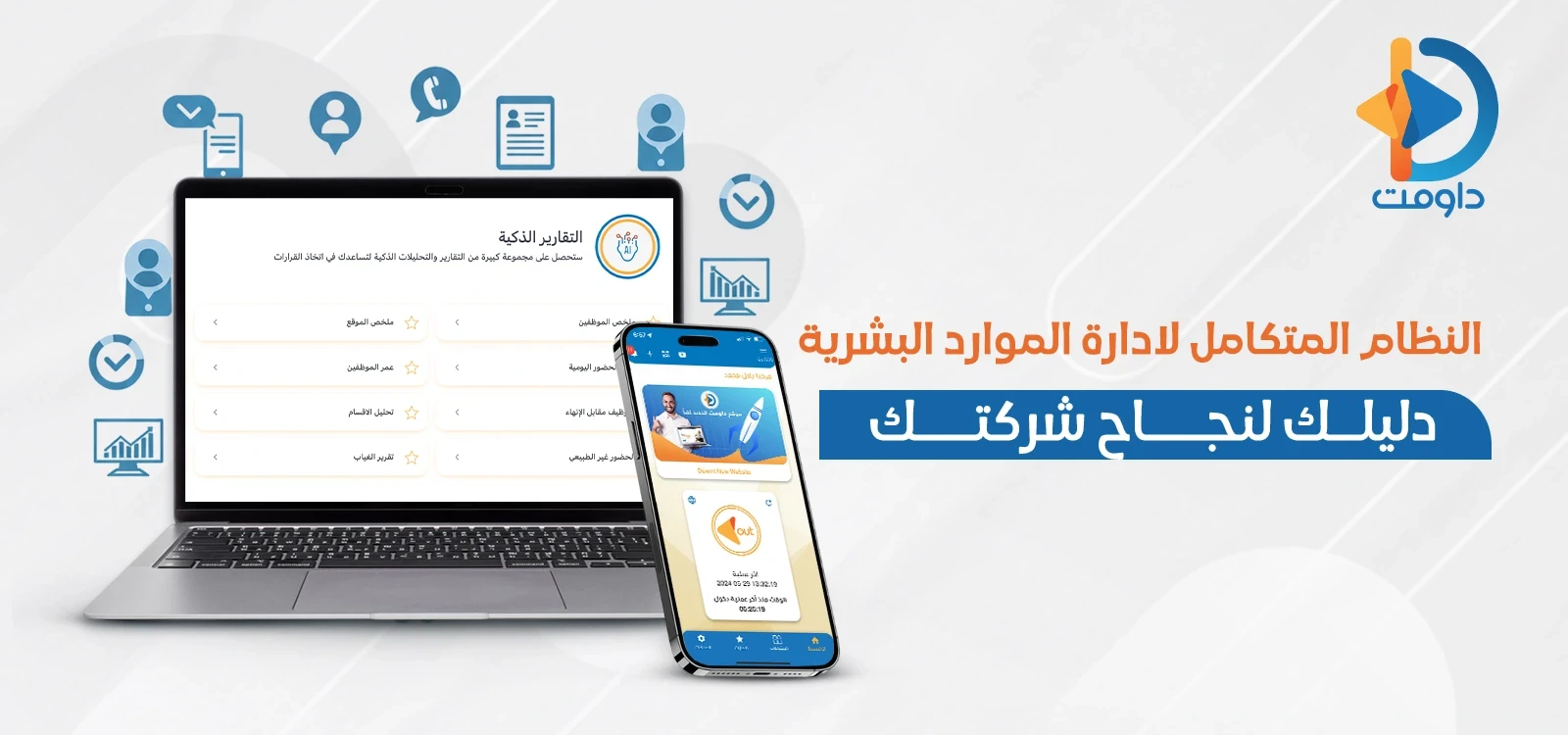
In today's competitive business landscape, companies need more than just a great product or service to thrive. The backbone of any successful organization lies in its human resources, and this is where HR management systems play a crucial role.

The digital age has transformed the HR landscape, presenting new opportunities and challenges for HR professionals. Embracing technological innovations can revolutionize HR processes, enhance efficiency, and enable data-driven decision-making.